Introduction
The digital landscape has fundamentally transformed the way businesses interact with their buyers. In the past, brand communication was a one-way street dominated by traditional advertising channels like television commercials, radio spots, and print brochures. Today, customers expect brands to be accessible, authentic, and responsive online.
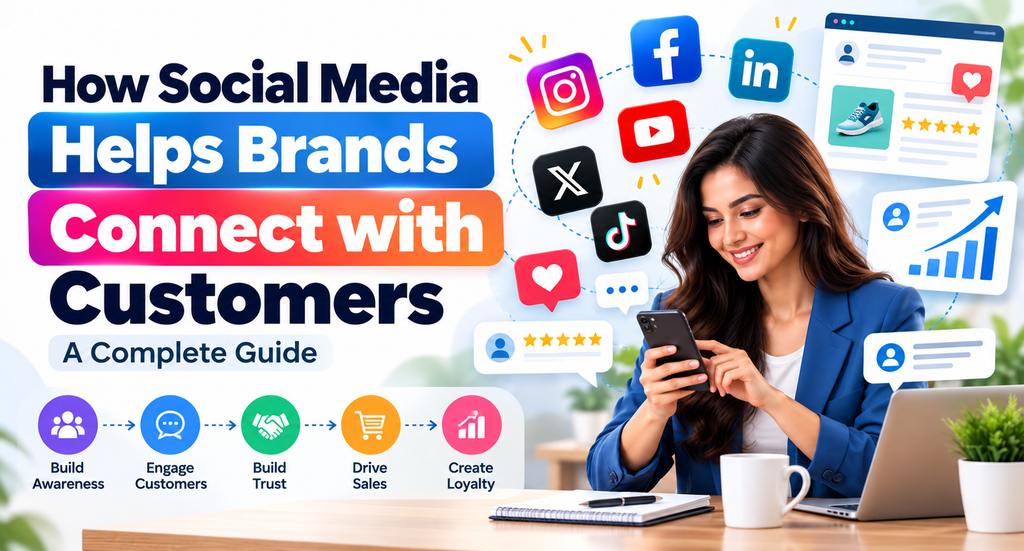
Maintaining an active social media presence is no longer just a marketing tactic; it is the primary bridge connecting brands to their target audience. Customers no longer view businesses as distant corporate entities. Instead, they look for genuine conversations, quick support, and relatable brand values. Social media serves as a powerful relationship-building channel that allows businesses to listen, engage, and grow alongside their communities.
As businesses scale their digital presence, coordinating multiple channels and keeping marketing teams aligned can become challenging. Centralized platforms like WizBrand help organizations organize their digital marketing activities, streamline team collaboration, manage campaigns, and improve overall productivity.
What Is Social Media Marketing?
Social media marketing involves leveraging social networking platforms to promote products, share valuable content, interact with target audiences, and achieve specific business objectives. Unlike traditional outbound marketing, social media focuses heavily on inbound interaction, dialogue, and community building. By publishing relevant content and participating in online conversations, businesses can position themselves as trusted authorities within their respective industries.
Why Customer Relationships Matter for Modern Brands
Customer relationships dictate long-term business survival. Acquiring a new customer often costs significantly more than retaining an existing one. Brands that prioritize genuine connections benefit from higher customer lifetime value, increased word-of-mouth recommendations, and strong brand advocacy. When customers feel valued and understood by a brand, they remain loyal even when competing alternatives emerge in the market.
How Social Media Has Changed Brand-Customer Communication
Digital transformation shifted communication dynamics from broadcasting to conversing. In traditional media, companies talked at consumers. On social media, brands talk with consumers.
This two-way dialogue empowers customers to ask questions, share feedback publicly, and voice concerns instantly. Brands that embrace this transparency build deeper trust and credibility, turning routine customer interactions into memorable brand experiences.
How Social Media Helps Brands Connect with Customers
Social media facilitates direct human-to-human connection at scale. Platforms allow brands to share their mission, showcase company culture, and highlight the real people behind products and services. By meeting customers where they spend their free time, businesses build familiarity, reduce friction in the buyer journey, and establish emotional touchpoints that drive lasting loyalty.
Understanding Customer Needs Through Social Media
Listening to your audience is just as important as publishing content. Social listening tools and direct comments offer real-time insights into what customers care about, what problems they face, and what features they want. Businesses can analyze these conversations to refine product development, improve customer service, and tailor marketing messaging to match real buyer intent.
Building Brand Awareness and Recognition
Brand awareness measures how easily consumers recognize and recall your business. Consistent social media visibility places your brand in front of active users daily. By maintaining cohesive visual branding, sharing helpful insights, and engaging with industry hashtags, businesses expand their organic reach and become top-of-mind choices when consumers are ready to purchase.
Creating Meaningful Customer Engagement
Engagement goes beyond counting likes and retweets. Meaningful engagement involves sparking conversations, asking thought-provoking questions, responding to direct messages with personalized care, and acknowledging user contributions. When followers feel heard and valued, casual viewers transform into active brand participants.
The Role of Social Media Content in Customer Relationships
Content acts as the voice of your brand. Educational articles, behind-the-scenes videos, customer success stories, and interactive polls give followers a reason to stay connected. Delivering consistent value through content establishes your brand as a helpful partner rather than an aggressive salesperson.
Using Social Media to Build Customer Trust
Trust is earned through consistency, transparency, and accountability. When a business addresses a customer service complaint publicly and politely, or shares authentic behind-the-scenes updates during a product delay, it demonstrates integrity. Transparency fosters deep trust, setting reliable brands apart from competitors.
Improving Customer Support Through Social Platforms
Modern consumers frequently turn to social media channels like X and Facebook Messenger for rapid customer support. Handling inquiries quickly on social media shows that a company values its customers’ time. Publicly resolving issues also demonstrates to other prospective buyers that the company stands firmly behind its products and services.
How Social Media Encourages Customer Feedback
Social channels provide an effortless feedback loop. Brands can run polls, ask for product suggestions in caption text, and invite reviews. This direct feedback loop makes customers feel invested in the brand’s evolution, fostering a sense of shared ownership and loyalty.
Building Brand Communities and Customer Loyalty
Communities unite people around shared interests or values. Brands that cultivate online groups, branded hashtags, or interactive follower spaces create environments where customers connect not just with the brand, but with each other. These communities drive powerful organic advocacy and long-term retention.
The Importance of Consistent Brand Communication
Consistent messaging across all social platforms reinforces brand identity. Whether a customer interacts with your brand on LinkedIn or Instagram, the tone, values, and visual presentation should remain coherent. Consistency builds recognition and reassures customers of your brand’s professionalism.
Social Media Analytics and Customer Insights
Analytics platforms track user behavior, content reach, click-through rates, and audience demographics. Reviewing these metrics helps marketing teams understand which topics resonate most, allowing them to refine their strategies and deliver content that truly satisfies audience interests.
Common Social Media Marketing Challenges
Managing social media effectively comes with hurdles, including algorithm changes, maintaining a consistent publishing schedule, resource constraints, and measuring accurate return on investment (ROI). Overcoming these challenges requires structured workflows, clear planning, and the right digital management tools.
The Future of Social Media and Customer Engagement
The future of social media marketing leans heavily toward authentic video content, hyper-personalization, AI-assisted workflow optimization, and immersive community experiences. Brands that adapt quickly to these evolving trends will maintain a competitive advantage in connecting with modern digital consumers.
Social Media Platforms and Their Business Uses
| Platform | Ideal Use Cases | Engagement Opportunities | Business Benefits |
|---|---|---|---|
| Community building, localized updates, groups | Comments, group discussions, Messenger support | Broad demographic reach and strong community engagement. | |
| Visual storytelling, product showcases, Reels | Visual comments, Stories interactions, direct messaging | High visual engagement and effective brand awareness. | |
| Thought leadership, professional networking, B2B updates | Professional comments, article sharing, networking | Generates high-value B2B relationships and leads. | |
| YouTube | Educational tutorials, product walkthroughs, long-form video | Video comments, community posts, live Q&As | Drives evergreen search traffic and builds deep customer trust. |
| TikTok | Short-form entertainment, trend participation, discovery | Duets, comment replies, viral challenges | Rapid brand discovery among younger demographics. |
| X (Twitter) | Real-time customer support, industry commentary, updates | Retweets, replies, direct customer service chats | Enables fast public communication and real-time engagement. |
| Visual inspiration, idea boards, DIY guides | Saved pins, idea interactions, click-through traffic | Drives long-lasting, search-intent-driven website traffic. |
Practical Social Media Engagement Strategies
To build strong connections, businesses should implement actionable engagement tactics:
- Publish Educational Content: Share tips, guides, and insights that solve your audience’s daily problems.
- Respond Promptly: Answer comments and direct messages with helpful, human responses.
- Share Behind-the-Scenes Moments: Give followers a glimpse into your team, workspace, and creation process.
- Host Interactive Q&A Sessions: Use live video or polls to answer customer questions in real time.
- Encourage User-Generated Content: Showcase photos and stories shared by real customers using your products.
How WizBrand Supports Better Social Media Marketing Management
Managing multi-channel social media campaigns, aligning marketing teams, and coordinating content calendars can quickly become complex. This is where centralized digital marketing management platforms provide significant value.
WizBrand helps businesses and marketing teams organize their digital marketing activities, streamline team collaboration, manage marketing campaigns, and improve overall productivity.
- Centralized Campaign Organization: Keep all digital marketing campaigns structured within a single collaborative workspace.
- Content Planning and Workflows: Coordinate content schedules and task assignments to ensure every team member understands their responsibilities.
- Team Coordination: Eliminate communication silos between content creators, designers, and marketing managers.
- Performance Monitoring: Track marketing tasks and campaign progress effectively to ensure alignment with overall business objectives.
By bringing planning, task management, and campaign tracking into a unified environment, WizBrand empowers marketing teams to reduce operational friction and execute more consistent, professional strategies.
Benefits of Social Media for Different Businesses
- Startups and New Brands: Build early brand awareness and establish market presence without massive traditional advertising budgets.
- Small and Local Businesses: Connect directly with local communities, share store updates, and drive foot traffic.
- E-Commerce Companies: Showcase product catalogs, highlight customer reviews, and drive direct online sales.
- B2B Organizations: Establish industry authority, share whitepapers, and build high-value professional relationships.
- Marketing Agencies: Manage multiple client campaigns, calendars, and assets efficiently using centralized platforms.
- Established Enterprises: Protect brand reputation, monitor market sentiment, and maintain large-scale customer support channels.
Common Social Media Marketing Mistakes to Avoid
- Posting Without a Strategy: Random posting yields unpredictable results. Define clear goals before launching campaigns.
- Being Overly Promotional: Constantly pushing sales alienates followers. Maintain a balanced mix of educational and engaging content.
- Ignoring Comments: Failing to reply to customer inquiries damages brand credibility and trust.
- Using Inconsistent Messaging: Disjointed branding confuses audience members. Maintain uniform brand guidelines.
- Neglecting Analytics: Failing to review engagement data prevents continuous improvement and wastes marketing efforts.
Social Media Customer Engagement Checklist
Use this actionable checklist to audit and refine your brand’s social media engagement strategy:
- Clearly defined target audience personas and preferences.
- Consistent brand identity and visual guidelines across all profiles.
- Selected the most suitable social media platforms for your niche.
- Developed a valuable, education-focused content strategy.
- Established a sustainable and regular publishing schedule.
- Set up dedicated workflows for timely customer response and support.
- Actively encouraged community interaction and user-generated content.
- Monitored customer feedback and sentiment regularly.
- Measured engagement performance metrics against defined goals.
- Continuously optimized strategies based on analytics insights.
Statistics and Industry Insights
- Global Usage: Over 5 billion people actively use social media worldwide, representing more than 60% of the global population (DataReportal, Global Overview Report).
- Consumer Influence: A vast majority of consumers research brands and products on social media before making purchasing decisions (Sprout Social Index).
- Customer Expectations: Modern consumers expect brands to respond to customer service questions on social channels within hours or minutes (HubSpot Marketing Industry Report).
- Brand Trust: Brands that actively engage in two-way conversations on social media experience higher customer retention and long-term brand loyalty (Edelman Trust Barometer).
Frequently Asked Questions
How does social media help brands connect with customers?
Social media allows brands to engage in direct, two-way conversations, share behind-the-scenes stories, answer questions instantly, and build authentic human connections with their audience.
Why is social media important for customer relationships?
It provides a continuous platform for listening to customer feedback, delivering responsive support, and showing appreciation, which significantly increases customer loyalty and retention.
Which social media platform is best for brand engagement?
It depends on your audience. Instagram and TikTok excel at visual and creative engagement, Facebook is ideal for community building, and LinkedIn drives professional B2B engagement.
How can businesses increase customer engagement?
By posting valuable and educational content, responding promptly to comments and direct messages, hosting live Q&A sessions, and asking for audience feedback.
How does social media improve brand awareness?
Daily visibility on feeds, consistent visual branding, and hashtag participation help brands stay top-of-mind among target consumer segments.
Can social media help build customer loyalty?
Yes. Providing exceptional support, celebrating customer success stories, and fostering interactive brand communities create strong emotional bonds and lasting loyalty.
How can brands use social media feedback?
Brands can analyze comments, direct messages, and poll results to improve products, resolve customer service pain points, and refine future marketing messaging.
What type of content creates better engagement?
Educational posts, short-form videos, behind-the-scenes glimpses, user-generated content, and interactive polls consistently generate higher engagement rates.
How often should businesses post on social media?
Consistency matters more than high volume. A sustainable schedule of three to five quality posts per week is typically more effective than sporadic daily posting.
How can small businesses build relationships through social media?
By engaging authentically with local followers, responding to every comment, showcasing their team and values, and participating in local community discussions.
What are the common social media marketing challenges?
Common hurdles include algorithm shifts, maintaining consistent publishing schedules, managing multi-channel workflows, and measuring accurate campaign ROI.
How can businesses measure social media engagement?
By tracking engagement rates, comments, shares, saves, click-through rates, reach, and direct customer sentiment analysis.
How does WizBrand support digital marketing management?
WizBrand helps businesses and marketing teams organize campaigns, manage content workflows, coordinate team tasks, and monitor overall marketing productivity from a single workspace.
Conclusion
Social media has redefined how brands connect, communicate, and build relationships with their customers. Moving beyond simple broadcasting, modern brands must listen actively, provide genuine value, and foster two-way conversations that build trust and loyalty.
By combining well-crafted engagement strategies with organized workflows and centralized digital marketing management platforms like WizBrand, businesses can streamline their marketing operations, eliminate silos, and achieve consistent growth across every social channel. Start strengthening your brand connections today to turn casual social followers into lifelong brand advocates.
